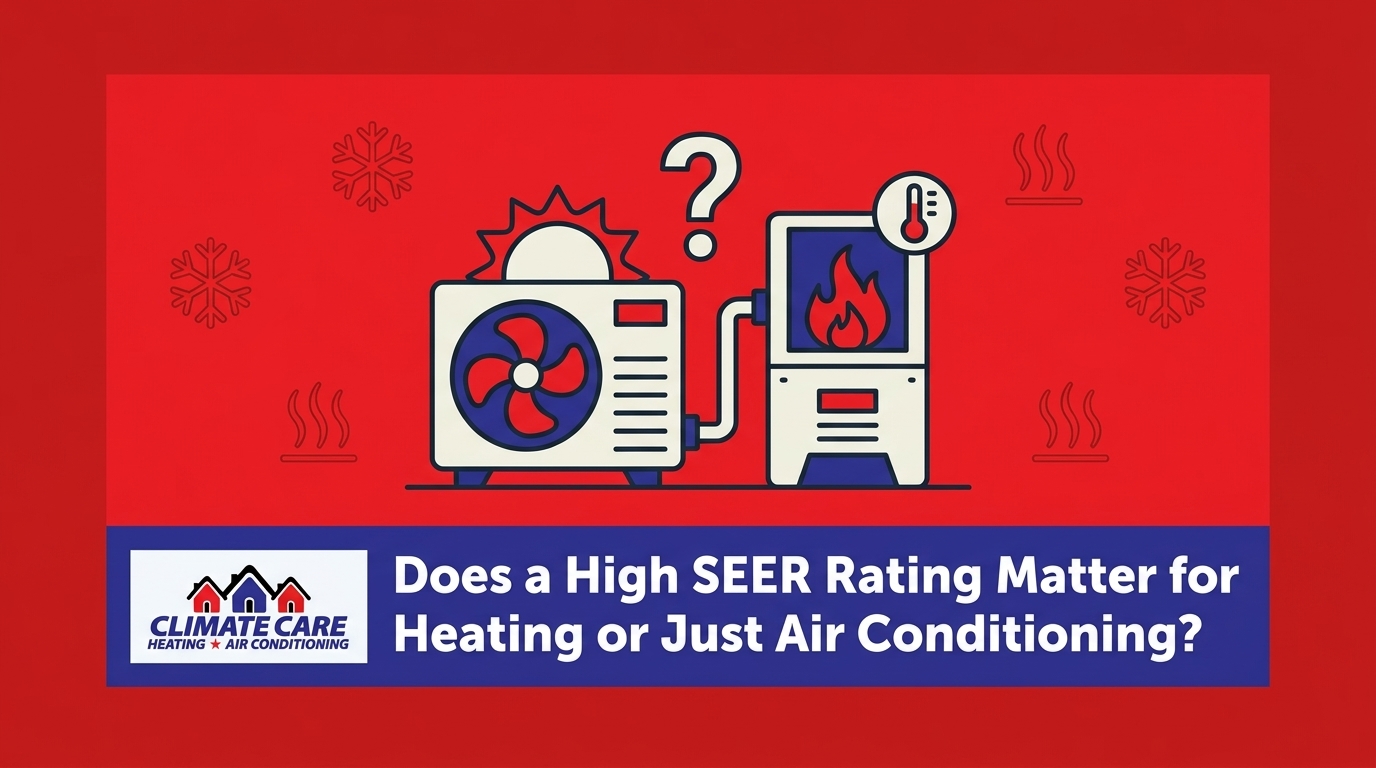
Does a High SEER Rating Matter for Heating or Just Air Conditioning?
That high SEER rating on your outdoor unit only measures summer cooling efficiency. Discover which HVAC ratings actually impact your winter heating performance.
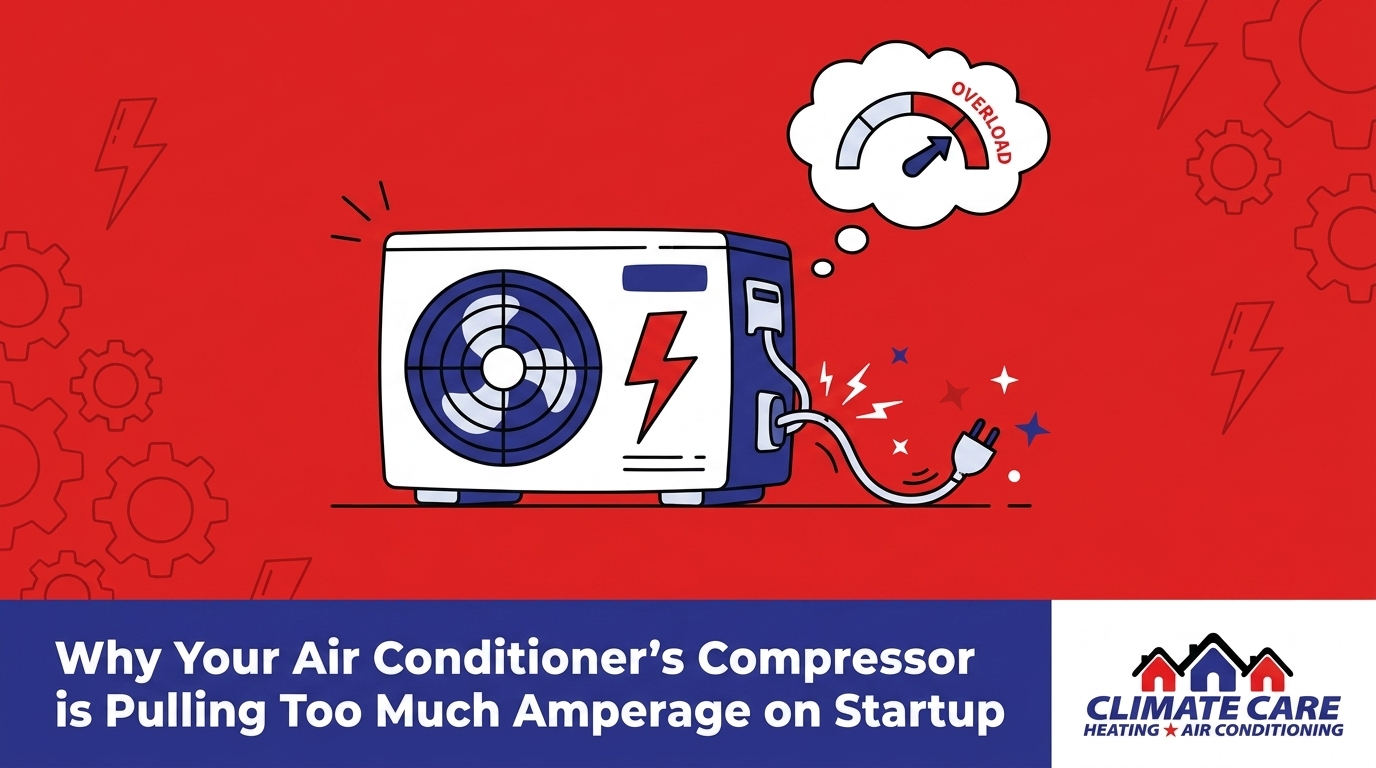
Is your electrical panel constantly cutting power, leaving you wondering why your air conditioner's compressor is pulling too much amperage on startup during a 100-degree summer heatwave? You are not alone. In our years serving Manteca and the surrounding Central Valley, our team at Climate Care Heating & Air Conditioning has seen countless homeowners face this exact issue. When the temperature spikes and your cooling suddenly stops, that immediate wave of panic is completely normal. However, that tripped breaker is actually doing its exact job. It is a critical safety mechanism designed to cut power before overloaded electrical wires can overheat and cause a fire.
The underlying issue: When your breaker trips repeatedly, it usually means your outdoor compressor is struggling to start. To get its internal motor spinning, the compressor demands a massive surge of electricity. If that electrical draw exceeds the safety limits of your home's circuitry, the breaker shuts everything down.
This leaves homeowners facing a stressful decision point. Does your air conditioning system just need a simple electrical boost to handle the severe summer weather, or is the compressor suffering from a major mechanical failure? Professional diagnostics will ultimately reveal the truth, but understanding the mechanics behind this electrical spike is the first step toward getting your home comfortable again.
To understand why an AC circuit breaker keeps tripping, you need to know how your system consumes electricity. Air conditioners have two very different stages of power consumption: the initial startup phase and the continuous running phase. Industry professionals measure this electrical flow in amperes, or "amps."
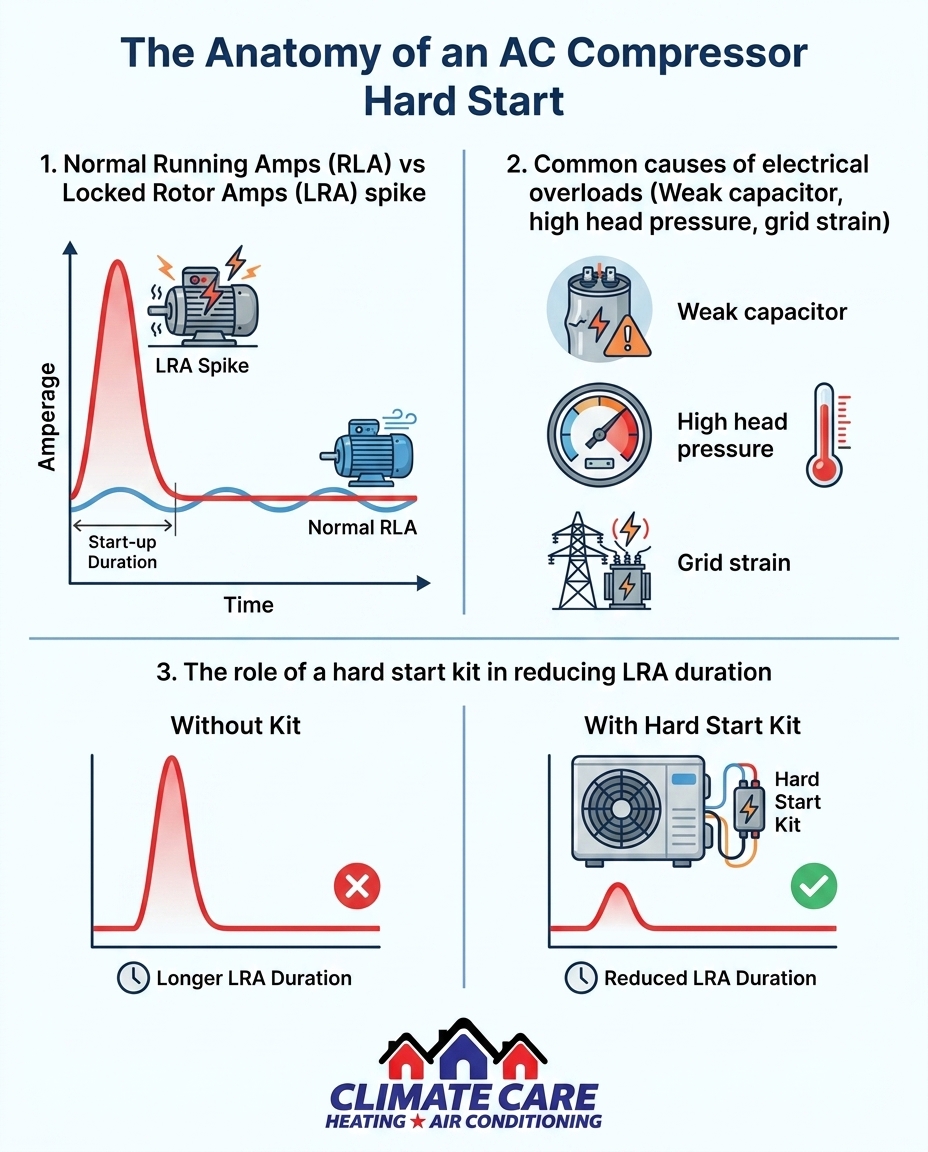
• Rated Load Amps (RLA): This is the normal, steady electrical flow your system requires when the air conditioner is running smoothly. Once the compressor is fully operational and pumping refrigerant through your home, it settles into this lower, predictable rhythm.
• Locked Rotor Amps (LRA): This represents the massive surge of electricity required to overcome physical inertia and start the compressor motor from a complete standstill. The term "locked rotor" refers to the split second before the internal motor begins to spin.
The startup multiplier: A compressor's High startup amperage / LRA (Locked Rotor Amps) is typically five to seven times higher than its normal running amperage. Think of it like pushing a stalled car: it takes an incredible amount of physical force to get the heavy vehicle rolling, but much less effort to keep it moving once it has momentum.
When our HVAC technicians say your system is "pulling too much amperage," we usually mean the LRA spike is either climbing too high or lasting too long. If that initial surge of electricity lingers for more than a fraction of a second, the circuit breaker detects a dangerous overload and immediately trips to protect your home.
Electrical problems in your air conditioner rarely happen in a vacuum. They are deeply connected to the physical environment outside your home. With summer temperatures regularly exceeding 100 degrees in the Central Valley, a pattern we see often is local weather conditions forcing cooling equipment to endure immense physical stress.
Air conditioners cool your home by compressing and expanding chemical refrigerant. When the outdoor temperature skyrockets during a 100-degree summer heatwave, the physical pressure inside your outdoor condenser coil increases dramatically. This is known in the industry as "head pressure."
The pressure problem: As ambient heat drives the head pressure higher, the compressor faces significantly more mechanical resistance when it tries to start pumping. The internal motor has to push against a much heavier, denser load of pressurized refrigerant.
Because the mechanical resistance is higher, the motor requires more torque to get moving. Mathematically, generating more torque demands a higher electrical draw from your home's power grid. Extreme heat alone does not necessarily break a healthy air conditioner, but it absolutely exposes underlying weaknesses in aging electrical components. A compressor that starts fine on an 80-degree morning might completely stall and trip the breaker when facing the brutal head pressure of a 105-degree afternoon.
When your system demands too much electricity on startup, our professionals look for specific culprits. During an AC tune-up in Manteca, our team typically identifies these four common triggers for high amperage:
• Weak or Failing Dual-Run Capacitor: This is the most common cause of high startup amps. Your capacitor acts like a giant battery, storing energy to deliver the necessary electrical jolt that gets the compressor spinning. When the capacitor degrades and loses its charge, the compressor is forced to pull all that starting power directly from your home's electrical grid, resulting in a massive, breaker-tripping spike.
• High Refrigerant Head Pressure: As discussed, extreme outdoor heat increases the physical pressure inside the system. However, dirty condenser coils also trap heat. If your outdoor unit is caked in dust, grass clippings, or debris, the system cannot release heat effectively. This artificially inflates the head pressure, forcing the motor to pull dangerous levels of amperage to overcome the blockage.
• Local Grid Voltage Drops: During peak summer heat, the local power grid often experiences extreme strain as every home runs their air conditioning simultaneously. This can cause slight drops in supplied voltage. According to Ohm's Law, if the voltage drops, the equipment mathematically requires higher amperage to achieve the same total wattage. This grid-level strain can easily push your system over its electrical limit.
• Failing Compressor Motor: The worst-case scenario is a mechanical failure. If the internal motor's electrical windings have shorted to ground, or if the mechanical parts have physically seized together (a "dead" compressor), the unit will pull infinite amps trying to start until the breaker violently trips.
When the house is hot and uncomfortable, the temptation to march out to the garage and flip the breaker back on is incredibly strong. You might think it is just a nuisance trip, but forcing an overloaded air conditioner to restart is one of the most dangerous things you can do to your HVAC system.
A tripped breaker is your home's final line of defense. When you flip the breaker back on and command the thermostat to cool, you are forcing the compressor to attempt another high-amperage start while it is already overheated and struggling.
The melting point: Every time the compressor stalls and pulls High startup amperage / LRA (Locked Rotor Amps), the internal copper windings generate intense, extreme heat. If you repeatedly reset the breaker, this recurring heat literally melts the protective lacquer insulation coating the motor's copper wires.
Once that insulation burns away, the bare copper wires touch each other or the metal casing. This creates a direct electrical short to ground. By simply trying to force the system to run, you can easily turn a minor, inexpensive electrical repair—like replacing a faulty capacitor—into a catastrophic, permanent compressor failure that requires replacing the entire outdoor unit.
When you call for professional AC repair services during a 100-degree summer heatwave, you need clear answers, not guesswork. As a brother-owned, local company, we at Climate Care Heating & Air Conditioning believe in providing honest, transparent diagnostics. We show you the exact readings on our meters so you know exactly what is wrong with your system, completely free from high-pressure sales tactics.
The decision between installing a hard start kit and replacing the compressor comes down to hard data. Here is exactly how our professionals diagnose the issue:
• Capacitor Testing — What We Measure: Exact microfarads (electrical storage capacity) — What the Data Tells Us: If the reading is below the manufacturer's rating, a simple capacitor replacement will likely restore normal starting power.
• LRA Measurement — What We Measure: The peak amperage pulled during the startup split-second — What the Data Tells Us: If the LRA is dangerously high despite a healthy capacitor, the compressor is facing severe mechanical resistance.
• Winding Resistance — What We Measure: Ohms between the compressor's electrical terminals — What the Data Tells Us: If the meter reads an open circuit or a short to ground, the compressor motor is permanently dead and must be replaced.
The role of a hard start kit: If the compressor is healthy but struggling against extreme head pressure, we may recommend a hard start kit. This device contains a powerful start capacitor and a potential relay. It stores a massive amount of energy to assist a struggling compressor, drastically reducing the duration of the LRA spike. It essentially gives the motor the extra torque it needs to overcome inertia without tripping the breaker.
However, a hard start kit is not a magic cure for a seized motor. If our transparent diagnostic threshold shows that the capacitor is strong but the LRA remains dangerously high, the compressor is mechanically failing. In our experience, data-driven diagnostics ensure you never pay for a premature system replacement when a simple part would have solved the problem.
The best way to handle a tripped breaker is to prevent the electrical overload from happening in the first place. Proactive care ensures your system can handle the brutal demands of a Manteca CA summer without buckling under the pressure.
Securing a routine maintenance plan is the most effective defense against high amperage. Long before the severe summer weather arrives, our professional technicians can test your electrical components to catch degrading parts.
What proactive maintenance looks like:
• Testing microfarads early: Technicians measure your dual-run capacitor in the spring. If it is losing its ability to hold a charge, replacing it early prevents the compressor from pulling excessive LRA during the first major heatwave.
• Deep-cleaning condenser coils: Removing baked-on dirt, pollen, and debris from the outdoor unit allows the system to release heat efficiently. This prevents artificial increases in refrigerant head pressure, keeping mechanical resistance low.
• Monitoring aging equipment: Professional oversight allows our technicians to track the health of an aging compressor year over year. If the starting amperage is slowly creeping up, you can plan for a replacement on your own timeline rather than facing an emergency breakdown.
Your AC pulls a massive amount of amps on startup because it takes an incredible surge of energy to overcome physical inertia. The internal compressor motor is heavy and rests in a pressurized environment. Just like pushing a heavy boulder, the initial shove requires maximum force (Locked Rotor Amps), while keeping it rolling requires much less effort (Running Amps).
Normal starting amps vary based on the exact size and tonnage of your air conditioner, but they typically range from 5 to 7 times the normal running amps. You can find the exact High startup amperage / LRA (Locked Rotor Amps) rating printed on the manufacturer's data plate attached to the side of your outdoor condenser unit. If your system exceeds this specific number, it will trip the breaker.
A hard start kit does not necessarily lower the peak number of starting amps, but it drastically reduces the duration of the high-amperage draw. By delivering a rapid, stored jolt of electricity, it helps the compressor overcome inertia up to ten times faster. Because the LRA spike ends so quickly, the circuit breaker does not have time to detect an overload and trip.
If your breaker trips the exact millisecond your AC tries to turn on, you are likely dealing with a severe electrical short or a seized motor. Immediate trips are usually caused by compressor motor windings that have melted and shorted directly to the ground wire, a completely dead dual-run capacitor, or mechanical parts inside the compressor that have locked up entirely.
Yes, low voltage from the grid directly causes high amperage due to Ohm's Law. When the local power grid strains under peak summer demand, the voltage supplied to your home drops slightly. Because your air conditioner still requires the same total amount of wattage to run, it mathematically compensates for the low voltage by pulling a higher volume of electrical current (amps), which can easily overload the circuit.
Understanding why your air conditioner's compressor is pulling too much amperage on startup is the first step toward restoring your home's comfort. Pulling excessive amperage is always a symptom of a specific electrical or mechanical strain, often exacerbated by a 100-degree summer heatwave. However, a tripping breaker doesn't automatically mean your entire system is dead. By scheduling a professional diagnostic visit, you can get transparent, data-driven answers about your compressor's health. We are here to provide the honest explanation you need to make the right decision for your home.
Our customers love our service and support.

Had Climate Care inspect our HVAC before summer. Christopher Hayes was polite, knowledgeable, and efficient. Great service from the office team—highly recommend!
Alex Corona did a thorough furnace check-up today, showing before-and-after photos and answering all my questions. I’m happy with his work and highly recommend him. Great job—happy customer!
Alan C. serviced my furnace today and gave me a courtesy call before arriving. He was very professional, provided great service, and shared lots of pictures. Definitely a five-star experience—I’ll use them again!
On 02/19/2025, Alan inspected my furnace and did a great job explaining everything. He was professional, hardworking, and focused on customer satisfaction. Highly recommend requesting him!