The HVAC Maintenance Schedule Most Homeowners Get Wrong
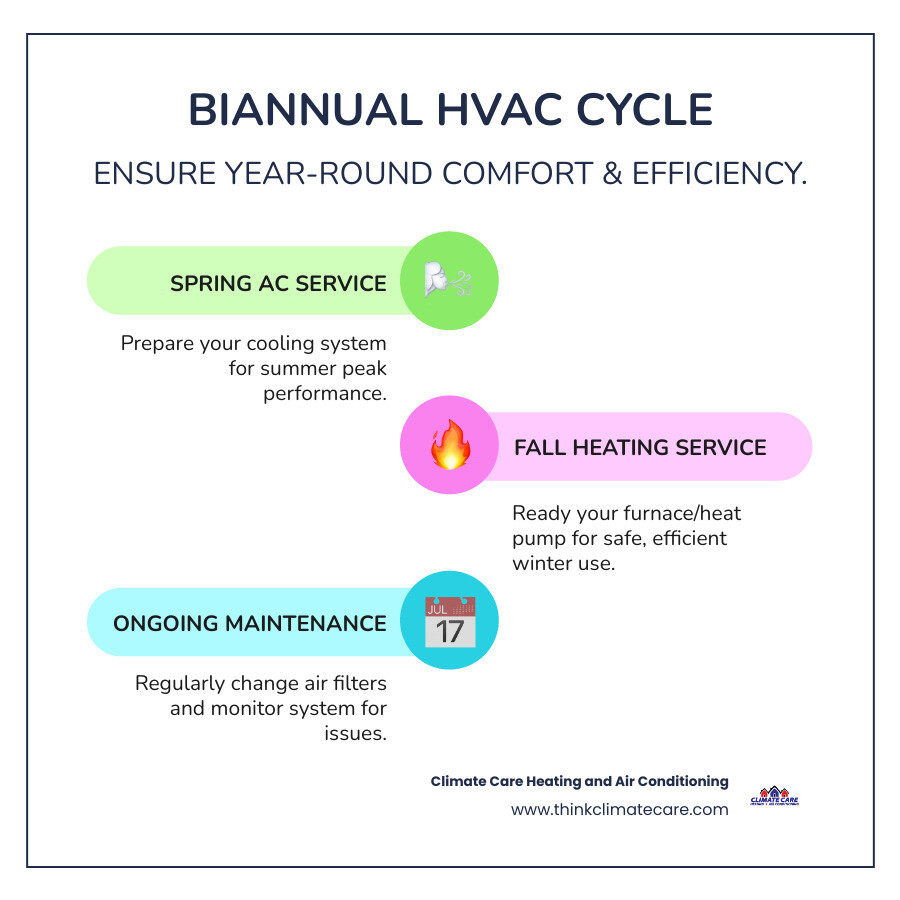
How often should you service your HVAC is one of the most common questions homeowners ask — and most get the answer wrong. The short answer: twice a year. Once in spring to prepare your cooling system for summer, and once in fall to get your heating system ready for winter.
Here is a quick-reference guide:
• Central AC — Recommended Frequency: Once per year — Best Timing: Spring (March-May)
• Gas Furnace — Recommended Frequency: Once per year — Best Timing: Fall (September-November)
• Heat Pump — Recommended Frequency: Twice per year — Best Timing: Spring and Fall
• Air Filters — Recommended Frequency: Every 1-3 months — Best Timing: Ongoing
• Ductwork — Recommended Frequency: Every 3-5 years — Best Timing: As needed
Think about it like this: you would not drive your car 50,000 miles without an oil change. Your HVAC system runs thousands of hours every year keeping your Manteca home comfortable through scorching Central Valley summers and cold winter nights. Without regular attention, that wear adds up fast.
Research shows that 85% of HVAC repairs stem from a lack of proper maintenance. A neglected system can use up to 25% more energy than a well-tuned one — meaning higher utility bills every single month, on top of the risk of a breakdown on the hottest or coldest day of the year.
The good news is that staying on schedule is simpler than most homeowners think. The sections below walk you through exactly what to do, when to do it, and why it matters for your system's lifespan and your wallet.
How Often Should You Service Your HVAC for Peak Performance?

When we talk about peak performance, we are talking about your system's ability to reach your desired temperature quickly and stay there without straining. In the Central Valley, from Sacramento down to Turlock, our systems work harder than in many other parts of the country. Because our summers are intense and our winters can be quite chilly, a "once-in-a-while" approach to maintenance simply doesn't cut it.
The industry standard for how often should you service your hvac is rooted in the transition of the seasons. We recommend a proactive approach: servicing the cooling components in the spring and the heating components in the fall. This ensures that the specific parts needed for the upcoming weather are cleaned, lubricated, and tested before you actually need to rely on them.
For those living in our service areas, we have developed specific local resources to help you understand the unique needs of your neighborhood. You can find More info about HVAC Maintenance Sacramento CA or check out our More info about HVAC Maintenance Stockton CA Guide for localized tips on keeping your system running smoothly despite the valley dust and heat.
Why Twice-Yearly Service is the Gold Standard for How Often Should You Service Your HVAC
If you have a traditional split system (a separate furnace and air conditioner), each unit needs its own annual check-up. However, if you use a heat pump, the "twice-yearly" rule becomes even more critical.
Heat pumps are the workhorses of the HVAC world. Unlike a furnace that sits idle all summer, a heat pump works year-round to both heat and cool your home. This dual-season stress means it accumulates wear and tear twice as fast as a single-purpose unit. By scheduling service every six months, you address the cooling-specific components (like the condensate drain and outdoor coils) before summer and the heating-specific components (like the defrost cycle and supplemental heat strips) before winter.
Consistent care is the only way to ensure reliability. We’ve seen that systems on a biannual schedule typically last 15 to 20 years, whereas neglected units often face major failures after just 10 to 12 years. If you’re looking to protect a heat pump, you can find More info about Heat Pump Tune-Up Stockton CA and More info about Heat Pump Maintenance Manteca CA to see how we specifically handle these versatile systems.
Factors That Influence How Often Should You Service Your HVAC
While the "twice a year" rule is the gold standard, certain factors might mean you need to see your technician more frequently. Your home is a unique environment, and your HVAC system reacts to everything from the number of pets you have to the age of your home's insulation.
• System Age (10+ Years) — Impact on Service Frequency: Higher risk of component failure — Recommendation: Consider tri-annual checks
• Pets & Allergies — Impact on Service Frequency: Faster filter clogging and dander buildup — Recommendation: Monthly filter changes + Biannual service
• Coastal/Dusty Areas — Impact on Service Frequency: Salt air corrosion or heavy dust accumulation — Recommendation: Quarterly coil cleaning
• Heavy Usage — Impact on Service Frequency: Continuous operation increases mechanical wear — Recommendation: Strict biannual adherence
• Recent Renovation — Impact on Service Frequency: Construction dust enters the ductwork — Recommendation: Immediate service post-project
System age is a major driver. A brand-new system might only need its annual "warranty-saver" visits, but once a unit crosses the 10-year mark, it enters "mid-life." At this stage, we often suggest more frequent inspections to catch failing capacitors or worn motors before they take out the expensive compressor.
Environmental factors in the Central Valley, such as agricultural dust in places like Lodi or Galt, can clog outdoor coils faster than in a coastal city. For a deeper dive into these variables, see our More info about HVAC Preventative Maintenance Sacramento Guide.
The Critical Role of Seasonal Timing
Timing is everything. If you wait until July to realize your AC isn't cooling, you'll likely be waiting in a long line behind dozens of other homeowners with the same problem.
• The Spring Window (March-May): This is the ideal time for an AC tune-up. It allows us to clean the coils and check refrigerant levels before the first 100-degree day hits.
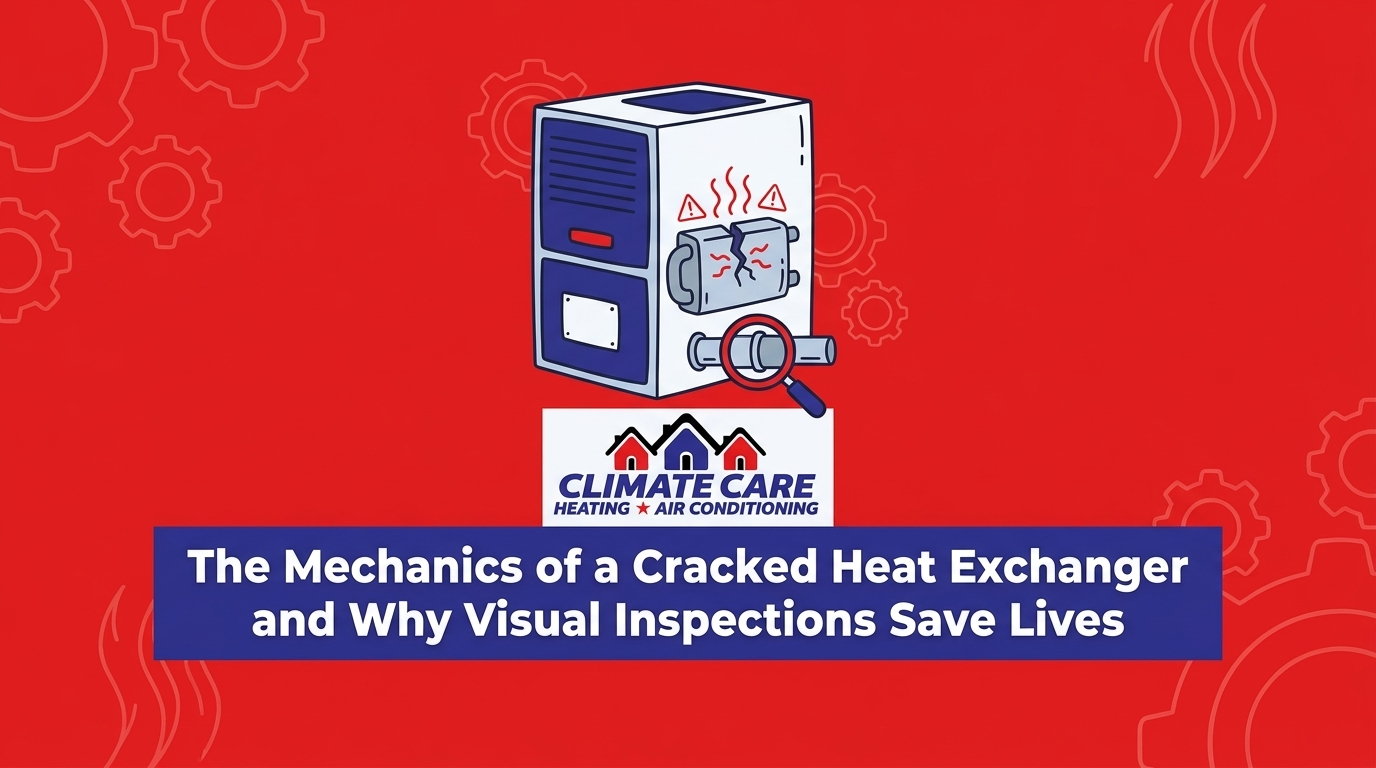
• The Fall Window (September-November): This is when we focus on furnace safety. We check for cracked heat exchangers and ensure gas connections are tight to prevent carbon monoxide hazards.
Scheduling during these "shoulder seasons" ensures better technician availability and gives us time to order any necessary parts before the peak demand hits. Whether you need an More info about AC Tune-Up Sacramento CA or you're looking for a More info about Furnace Tune-Up Lodi CA Guide, getting ahead of the weather is the smartest move a homeowner can make.
Maximizing Efficiency and Protecting Your Investment
Regular maintenance isn't just about avoiding a breakdown; it’s a financial strategy. When your system is clean and calibrated, it doesn't have to work as hard to move air. This directly translates to lower energy consumption. In fact, a well-tuned system can use 10% to 30% less energy than one that has been ignored.
Beyond the monthly savings, there is the matter of your manufacturer's warranty. Most major brands, like Bryant or Trane, explicitly state in their warranty terms that regular professional maintenance is required. If your compressor fails in year seven but you have no record of professional service, the manufacturer may deny your claim, leaving you with a bill for thousands of dollars.
Maintenance also protects your indoor air quality. Over time, dust, pollen, and even mold can accumulate inside your air handler and ducts. Regular service includes inspecting these areas and ensuring your filtration system is actually doing its job. For those concerned about the air they breathe, our More info about Air Duct Maintenance Sacramento Complete Guide offers excellent insights into keeping the "lungs" of your home clean.
What a Professional Maintenance Visit Typically Includes
When we arrive at your home for a tune-up, we aren't just glancing at the unit. A professional visit is a comprehensive, 60-to-90-minute deep dive into the health of your system. Here is what we typically cover:
1. Cleaning the Coils: Dirty evaporator and condenser coils can reduce cooling efficiency by up to 40%. We remove the buildup of dirt and debris that forces your system to run longer cycles.
2. Checking Refrigerant Levels: Low refrigerant charge can reduce efficiency by 10% to 20% and eventually cause the compressor to overheat and fail.
3. Tightening Electrical Connections: Heat and vibration can loosen wires over time, leading to short circuits or component damage.
4. Thermostat Calibration: We ensure your thermostat is actually communicating correctly with your unit so you aren't overpaying for comfort.
5. Condensate Drain Clearing: We clear out algae and sludge to prevent water damage and system shutdowns caused by backed-up drain lines.
6. Safety Inspections: For furnaces, this includes testing the flame sensor and inspecting the heat exchanger for any signs of cracks that could leak carbon monoxide.
If you’re in the Manteca area, you can see the full scope of our local service by checking More info about HVAC Tune-Up Manteca CA.
Consequences of Skipping or Delaying Service
The "if it ain't broke, don't fix it" mentality is the most expensive way to run an HVAC system. Skipping even a single year of maintenance can start a downward spiral of efficiency and reliability.
• Skyrocketing Bills: As components get dirty and worn, the system runs longer to achieve the same result. A dirty filter alone can raise energy bills by 5% to 15%.
• The "Emergency" Premium: Repairs that happen on a Sunday afternoon in August are significantly more expensive than a scheduled tune-up in April.
• Shortened Lifespan: A system that is constantly straining under the weight of dirty coils and poor airflow will simply burn out faster. You might find yourself replacing a $12,000 system in 10 years instead of 20.
• Safety Risks: This is especially true for heating. An unserviced furnace is a higher risk for gas leaks or carbon monoxide issues.
To learn more about how to protect your budget, read our article on More info about Preventive AC Maintenance: Avoid Costly Repairs.
Long-Term Benefits and the Climate Care Advantage
At Climate Care Heating and Air Conditioning, we believe in holistic HVAC care. We don't just fix what's broken; we look at your system’s performance, its impact on your utility bills, and how it contributes to your home's environmental footprint.
Serving communities from Modesto to Roseville and everywhere in between, we understand the specific challenges of Central Valley living. We know that the dust from our local orchards and the heat from our valley floor require a higher level of attention. That is why we offer a comprehensive Maintenance Plan. Our members enjoy priority scheduling, significant savings on repairs, and the peace of mind that comes with knowing their "gold standard" biannual services are already on the calendar.
By choosing a proactive partner like us, you aren't just buying a repair; you are investing in years of predictable, efficient comfort. Whether you are in Stockton, Tracy, or Elk Grove, we are here to ensure your HVAC system remains an asset to your home, not a liability.
Stop guessing about your maintenance schedule. Whether it's been six months or six years since your last professional check-up, today is the best day to get back on track. Your system, your family, and your wallet will thank you.