Why Valley Dust Is One of the Biggest Threats to Your HVAC in the Central Valley
Protecting your HVAC from valley dust and debris is one of the most important things you can do as a homeowner in Manteca, Modesto, Stockton, or Sacramento — especially heading into the dry, windy months of summer 2026.
Here is a quick overview of the most effective ways to protect your system:
1. Replace air filters monthly during peak dust season (every 2 weeks near agricultural fields)
2. Shut down your HVAC when dust events or high-wind conditions roll through
3. Seal gaps and ductwork to stop fine particles from entering your home's air supply
4. Clean your outdoor condenser with a gentle garden hose rinse after dusty weather
5. Upgrade to MERV 8-13 filters for better capture of fine agricultural particles
6. Schedule professional maintenance before and after peak dust season
The Central Valley is not like other parts of the country. The air here carries a mix of fine agricultural silt, abrasive sand, and microscopic particles that standard HVAC filters simply are not built to handle on their own. When that dust gets pulled into your system, it coats coils, clogs filters, strains motors, and quietly chips away at your equipment's efficiency and lifespan — often before you notice anything is wrong.
Research shows that even a 1/16th of an inch of dust buildup on HVAC coils can reduce system efficiency by up to 21%. For a system that is already working hard against Central Valley summer heat, that kind of strain adds up fast on your energy bill and can shorten the life of your equipment significantly.
In this guide, Climate Care Heating and Air Conditioning walks you through exactly what makes valley dust so damaging, what you can do at home to reduce its impact, and when it is time to call in a professional for deeper protection.
Relevant articles related to protecting your hvac from valley dust and debris:
• how central valley dust and heat affect your hvac
• how hot dry weather shortens hvac lifespan
Protecting Your HVAC from Valley Dust and Debris
When we talk about protecting your hvac from valley dust and debris, we are dealing with a uniquely challenging environment. The Central Valley is a powerhouse of agriculture, but that means our air is constantly filled with loose soil, plant matter, and microscopic particles.
Understanding How Central Valley Dust and Heat Affect Your HVAC is the first step toward safeguarding your home. Unlike typical indoor house dust, which is mostly made of skin cells and clothing fibers, valley dust is packed with abrasive silica, fine agricultural silt, and particulate matter categorized as PM10 and PM2.5. These tiny particles are small enough to bypass basic filters, settling deep inside your air handler and ductwork.
Even worse, this dust often carries fungal spores, including those that cause Valley Fever (Coccidioidomycosis). When these spores and fine silts settle on your damp indoor evaporator coils, they combine with condensation to create a thick, muddy layer. This layer blocks airflow, triggers coil corrosion, and causes massive efficiency losses. Over time, this constant strain is one of the leading causes of premature equipment failure. Taking proactive steps is essential for Preventing AC Breakdowns During Summer when temperatures in Modesto and Stockton regularly climb past triple digits.
Why Central Valley Dust is Particularly Damaging to Your AC
What makes agricultural dust so destructive is its physical composition. The silica and abrasive sand act like sandpaper on the moving parts of your system, wearing down blower motor bearings and fan blades.
When dust coats your AC coils, it acts as a thermal blanket. Instead of letting heat escape, it traps the heat inside. As mentioned, just a 1/16th of an inch of dust on your coils can reduce operating efficiency by up to 21%. Your compressor has to work twice as hard and run much longer cycles to cool your home, leading to soaring utility bills and extreme compressor strain.
This cycle of damage is heavily accelerated by the Impact of Dirty Filters on AC Performance. When the air filter is completely clogged, the system's fan has to pull harder, creating a negative pressure environment that sucks even more dust through tiny gaps in your ductwork. To understand the full chain reaction of neglect, it helps to know What Happens When You Don't Change Your HVAC Air Filters, which can range from frozen evaporator coils to a completely burned-out blower motor.
Actionable Steps for Protecting Your HVAC from Valley Dust and Debris at Home
Fortunately, you do not have to let the dust win. There are several simple, highly effective habits you can adopt to shield your system:
• Use Recirculation Mode: During high-wind days or nearby harvest activity, set your thermostat's fan setting to "Auto" or "Recirculate" rather than "On." This prevents the system from constantly pulling in unfiltered outdoor air.
• Leverage Smart Thermostats: You can program your thermostat to reduce HVAC runtimes during peak windy hours of the day when dust concentration is highest.
• Pre-Storm Shutdown: If a major dust storm or high-wind advisory is heading toward your area, turn your AC completely off. Running the fan during a dust storm turns your outdoor unit into a giant vacuum, packing the coils with dirt.
• Post-Storm Rinse: Once the wind dies down, head outside and give your condenser a gentle rinse. Use a standard garden hose at a 45-degree downward angle. Never use a pressure washer, as the intense stream will instantly bend and ruin the delicate aluminum fins.
Avoiding common HVAC Maintenance Mistakes Homeowners Make—such as ignoring the outdoor unit or forgetting to clear surrounding weeds—will keep your system breathing easy. Learning How to Maintain Your Heating and Cooling System on a basic monthly schedule can save you thousands of dollars in emergency repairs.
Upgrading Your Filtration for Protecting Your HVAC from Valley Dust and Debris
Standard, cheap fiberglass filters are designed to catch large debris like pet hair, but they let fine valley dust slide right through. Upgrading your home's air filter is one of the fastest ways to improve both your system's health and your indoor air quality.
• Fiberglass Flat — MERV Rating: MERV 1–4 — Dust Capture Efficiency: < 20% of fine particles — Best Used For: Large debris only; not recommended for the Valley
• Standard Pleated — MERV Rating: MERV 5–8 — Dust Capture Efficiency: Around 50-70% of particles — Best Used For: Basic household dust and pollen
• High-Efficiency Pleated — MERV Rating: MERV 11–13 — Dust Capture Efficiency: Up to 90% of fine dust & spores — Best Used For: Best balance of filtration and airflow for Valley homes
• HEPA / Whole-Home Cleaners — MERV Rating: MERV 14–16 — Dust Capture Efficiency: 95%+ of microscopic particles — Best Used For: Severe allergies, asthma, and heavy agricultural zones
For most homes in Sacramento and Manteca, we recommend a high-quality pleated filter with a MERV rating between 8 and 13. This range provides excellent filtration without restricting the airflow your system needs to run safely. If you have family members with respiratory sensitivities, adding a whole-house air scrubber or UV light system can neutralize organic spores and trap microscopic dust before it circulates.
Regardless of the filter you choose, a strict replacement schedule is key. During peak harvest or windy seasons, check your filters every 30 days. For a deeper look at setting the right schedule for your household, read our guide on How Often Should You Change Your HVAC Air Filter.
Sealing Your Home and Ductwork Against Infiltration
Even the best filter cannot protect your home if dusty air is bypassing it entirely. Unsealed ductwork in your attic or crawlspace acts like a straw, sucking in dirty, unconditioned air and blowing it straight into your living spaces.
Professional duct sealing using mastic sealant or specialized metal tape can reduce dust circulation by 30% to 40% in most homes. According to energy studies, sealing leaky ducts can also save you up to 20% on your heating and cooling energy expenditures.
To support your sealed ducts, make sure your home's envelope is secure:
1. Apply fresh weatherstripping around doors and windows.
2. Install heavy-duty door sweeps on all exterior doors.
3. Keep attic access hatches sealed tightly.
For homeowners in the Sacramento area, keeping your air delivery system clean is vital. Our Air Duct Maintenance Sacramento Complete Guide breaks down how proper duct care keeps your home cleaner and reduces the workload on your entire HVAC system.
Outdoor Condenser Care and Safe Protective Barriers
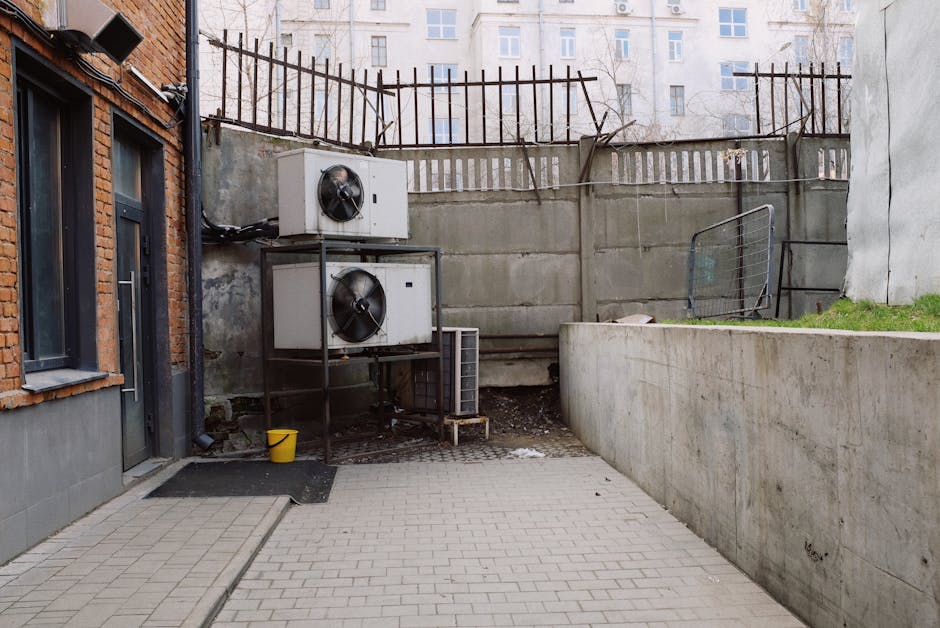
Your outdoor condenser unit needs room to breathe. When dust and wind whip through your yard, they carry leaves, twigs, and loose dirt right into the condenser's coil fins.
To protect your outdoor unit safely, keep these best practices in mind:
• Maintain Clearance: Keep at least a 2-foot clear zone around your outdoor unit. Trim back any bushes, weeds, or vines that could trap dust or block airflow.
• Build a Strategic Windbreak: If your home faces open fields, installing a slatted fence or lattice screen on the side of the prevailing winds can act as a shield, catching heavy flying debris before it hits your coils.
• Use Breathable Covers Wisely: Never use solid plastic tarps or wraps to cover your unit while it is in use. This traps heat and moisture, causing severe corrosion and compressor failure. If you use a breathable mesh cover to keep leaves out during the off-season, always remember to remove it before running the system.
Regularly rinsing the unit and monitoring for bent fins or unusual vibrations will prevent long-term wear. For a complete seasonal checklist, consult our HVAC Maintenance Guide 2026.
Professional Maintenance and Long-Term Protection
While daily habits and regular filter changes go a long way, they cannot replace the deep, specialized cleaning that a professional technician can provide. Fine valley dust eventually works its way into electrical cabinets, motor bearings, and deep within the coil fins where a garden hose simply cannot reach.
At Climate Care Heating and Air Conditioning, we provide holistic HVAC care designed to handle the specific environmental challenges of the Central Valley. Our licensed technicians perform deep chemical coil cleanings, clear out clogged drain lines (where dust and condensation create system-stopping mud), lubricate moving parts to prevent friction wear, and test your system's overall performance.
Regular professional cleanings do more than just lower your monthly energy bills — they also prevent moisture buildup that leads to biological growth. You can learn more about this in our article on How Proper HVAC Maintenance Prevents Mold Growth.
To make protecting your home effortless, we offer a comprehensive membership plan that includes seasonal precision tune-ups, priority service, and significant savings on repairs. It is the easiest way to ensure your system survives the dusty Valley summers and runs efficiently for years to come.
Are you looking to safeguard your home's comfort and keep your energy bills under control this season? Schedule your professional HVAC maintenance in Manteca, CA today with Climate Care Heating and Air Conditioning, and breathe easier knowing your system is fully protected.